
The Wildlife Conservation Society European Union Office (WCS EU) organised a high-level roundtable ‘Implementing the ‘Implementation COP’: Turning Belém Outcomes into Climate and Biodiversity Action’ on 27th May 2026 at the BELvue Museum in Brussels, as part of the Amazon Week - an initiative of the Mission of Brazil to the European Union.
Climate COP30, hosted by Brazil in Belém in November 2025 earned the nickname the ‘Implementation COP’ by creating momentum around several key areas of climate action, including progress to deepen integration of the climate and biodiversity agendas. As we look ahead to the next climate COP, this roundtable brought together prominent leaders and policymakers in Brussels, to discuss how the impact of this leadership can be continued and amplified beyond the Amazon, to influence global environmental discussions on policy and financing.
The roundtable was opened by H.E. Ambassador Pedro Miguel da Costa e Silva, Head of the Brazilian Mission to the European Union, and moderated by Gerald Miles, Vice President for Strategic Development at the Wildlife Conservation Society (WCS). The event was concluded with closing remarks by Jean-Pascal van Ypersele, an eminent Belgian climatologist and former Vice-Chair of the IPCC. Participants included representatives from the Australian, Peruvian and UK embassies, the European Commission, European Investment Bank (EIB), UC Louvain, UNDP, as well as other representatives from WCS.
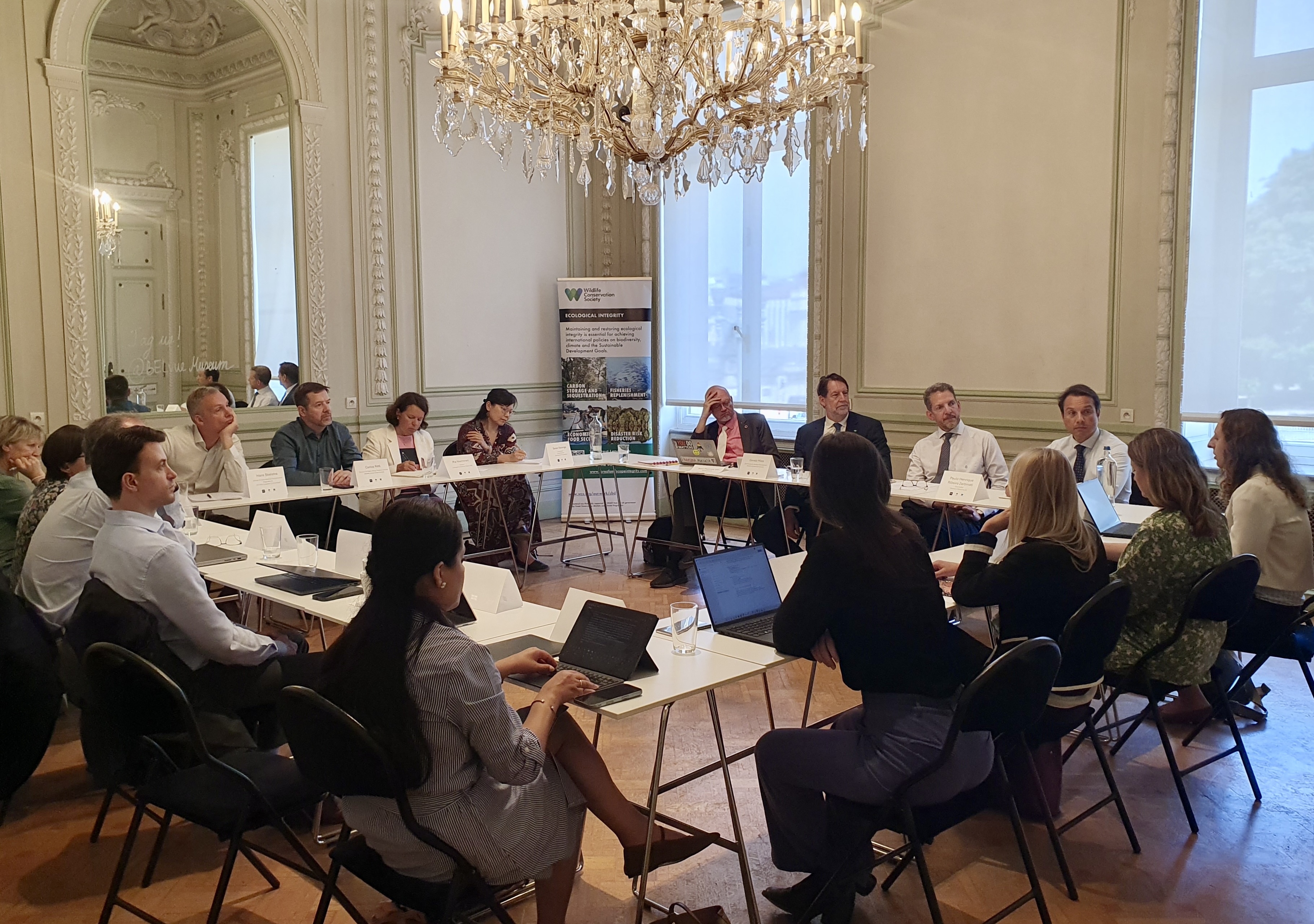 Participants at the high-level roundtable ‘Implementing the ‘Implementation COP’.
A central theme of the discussion was the critical importance of protecting high-integrity ecosystems like the Amazon — not only for biodiversity conservation, but also for climate stability, water systems, and the well-being and livelihoods of communities that depend on these natural resources. Participants shared how policy-making needs to be translated into effective implementation at national and sub-national levels.
Participants also explored how the climate and biodiversity agendas can be more effectively integrated through upcoming international policy processes — including the COPs on climate, biodiversity, and desertification as well as through other related fora, such as the Our Ocean conference. Parallels were drawn between the upcoming ocean agenda that can learn from recent advancements to forward the forest protection agenda under the United Nations Framework Convention on Climate Change (UNFCCC).
The conversation highlighted the important roles of different instruments, such as the implementation of the Tropical Forest Forever Facility (TFFF), Nationally Determined Contributions (NDCs), National Adaptation Plans (NAPs), National Biodiversity Strategies and Action Plans (NBSAPs) and the development of the COP30 Presidency roadmap to halting and reversing deforestation and forest degradation and the important roles played by these to further the integration of the climate and biodiversity agendas.
An important part of the conversation focused on financing — and the urgent need to close both climate and biodiversity funding gaps through more coordinated, long-term, and scalable approaches. Highlighted in this discussion was the need to meet existing financial commitments alongside support for new, innovative approaches such as the TFFF.
The message was clear: climate resilience, biodiversity conservation, human health and wellbeing, and sustainable development cannot be addressed in silos. Integrating these agendas, while placing Indigenous Peoples and local communities at the center of solutions, is essential to achieving positive and durable outcomes for nature, climate, people.
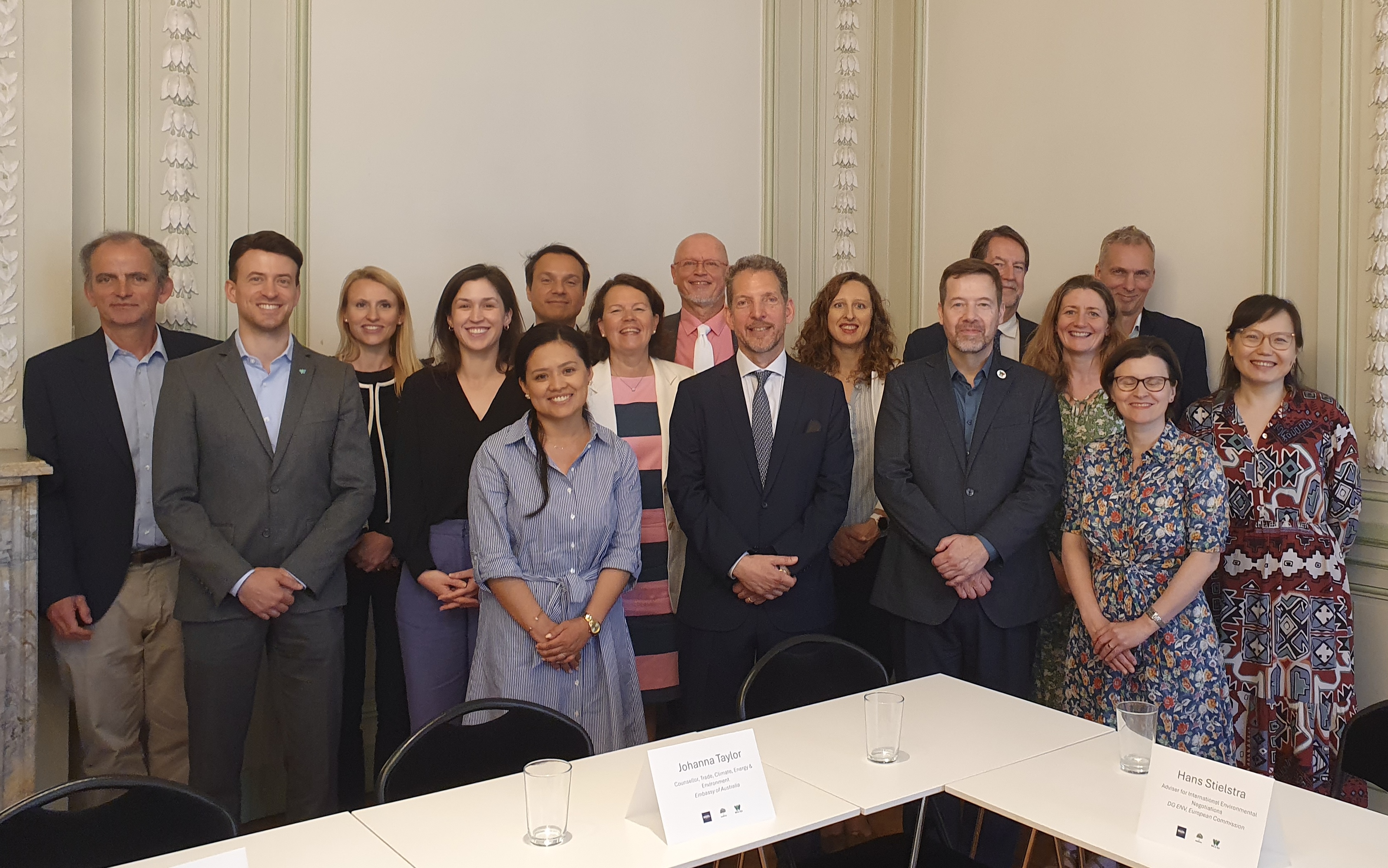 Participants at the high-level roundtable ‘Implementing the ‘Implementation COP’.